
Study Tracks for Graduate Programs in Electrical Engineering
Customize Your Master’s Degree in Electrical & Computer Engineering
Duke’s graduate programs in electrical engineering (M.S. and MEng) include multiple study tracks so you can customize your curriculum to fit your career goals. As one of the most innovative graduate programs nationwide, we help you focus on in-demand technical areas through options like our software and hardware design, quantum systems, AI/machine learning specialization and more.
At a Glance
Here’s what you can expect when exploring Duke graduate programs in electrical engineering and computer engineering (ECE):
- Five structured study tracks in key ECE domains, covering AI, software and hardware engineering, quantum systems and semiconductors
- Options to add a machine learning specialization for AI-driven career prep
- Access to leading Duke research facilities, including the ATHENA AI Institute, Duke Quantum Center and Fitzpatrick Institute for Photonics
- Curriculum designed to prepare you for fast-growing fields such as AI, hardware and software systems, autonomy, quantum technologies and semiconductor engineering
- Strong industry collaborations across AI, cloud services, software, hardware, robotics, healthtech, finance and semiconductor sectors, among others
- Flexible elective options to promote a more personal learning experience
Our graduate programs also emphasize project-based learning and faculty mentorship.
Explore Study Tracks Within Duke’s Graduate Programs in Electrical Engineering
In the graduate programs in electrical engineering and computer engineering at Duke, you’ll acquire a broad base of knowledge. You can also choose a study track to focus on the niche most relevant to your professional aspirations. Whether you want a master’s in software engineering or want to pursue an AI/machine learning specialization, you’ll have the opportunity to control your learning journey.
Each track includes a guided path. You choose electives that match your goals and collaborate with faculty at the forefront of discovery. Most importantly, you’ll be working on real problems from industry leaders, startups or Duke research groups.

Machine Learning (ML) & Artificial Intelligence (AI)
Our focus on data analysis and machine learning provides master’s students with the tools to manage, interpret and gain new insights from data.
In the ML/AI track, you’ll develop deep expertise in the mathematical foundations of machine learning and artificial intelligence while gaining the practical skills needed to design and deploy AI systems that scale in real-world environments. As a student, you’ll join a vibrant community rich in cross-campus initiatives focused on AI and ML, such as the Rhodes Information Initiative at Duke (iiD).
Course requirements
Software Engineering
Our dedicated and experienced computer engineering faculty includes leading researchers who literally wrote the book on programming and have experience working in the leading software engineering companies (e.g., Google). In the Software Engineering Track, students will take courses in programming, computer architecture, systems and more. We’ll make you a great programmer!
Course requirements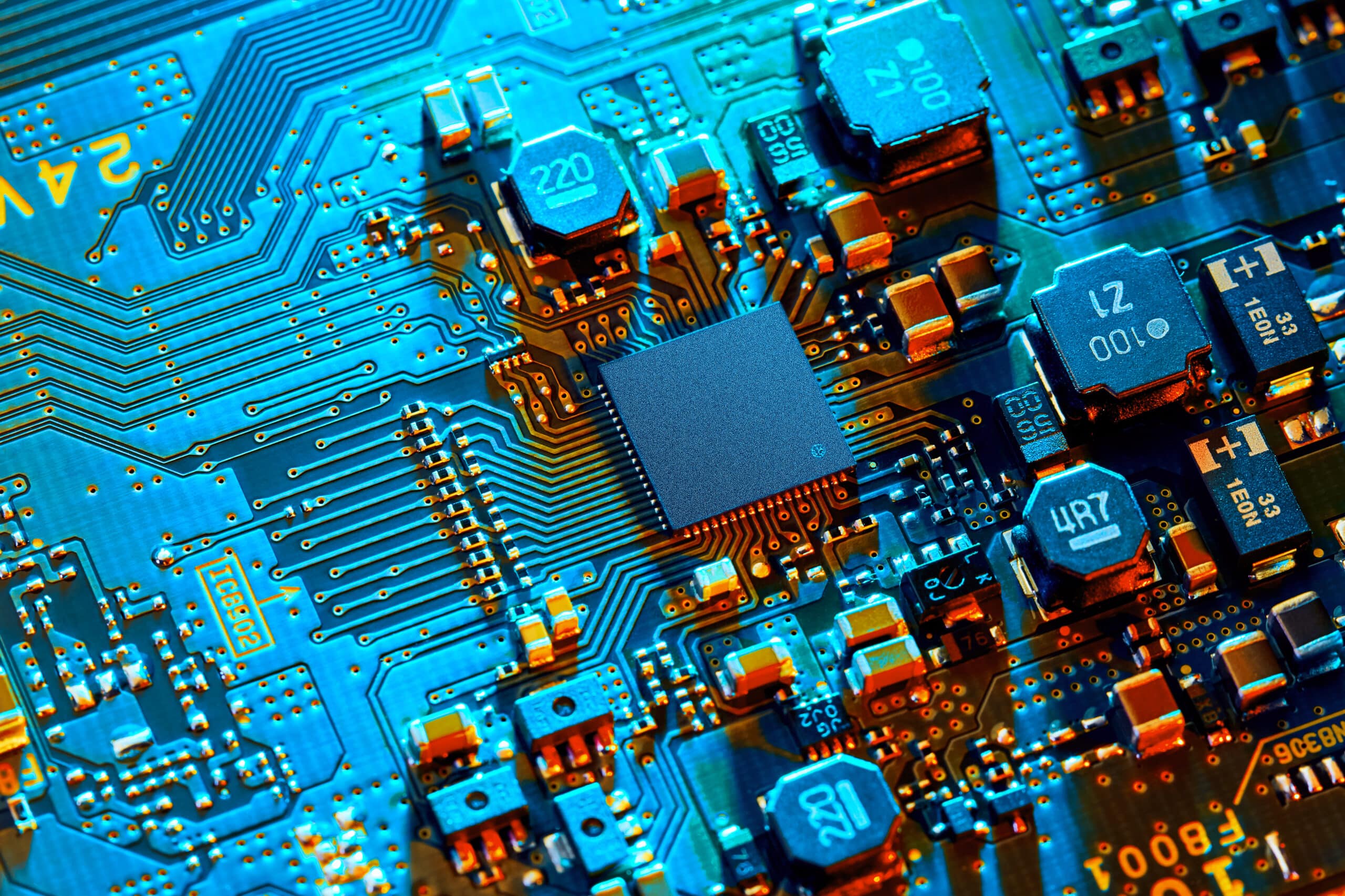
Computer Hardware Engineering
Duke ECE master’s students learn in the classroom and the lab from faculty working on new, resilient hardware architectures for emerging platforms ranging from major data centers to personal mobile devices.
Students in the Computer Hardware Engineering track will be instructed by experts in the field with industry and research experience alike. The coursework includes Computer Architecture, Applications of Hardware, Hardware/Software Interface, Digital System Design, Programming and other courses from the graduate course catalog.
Course requirements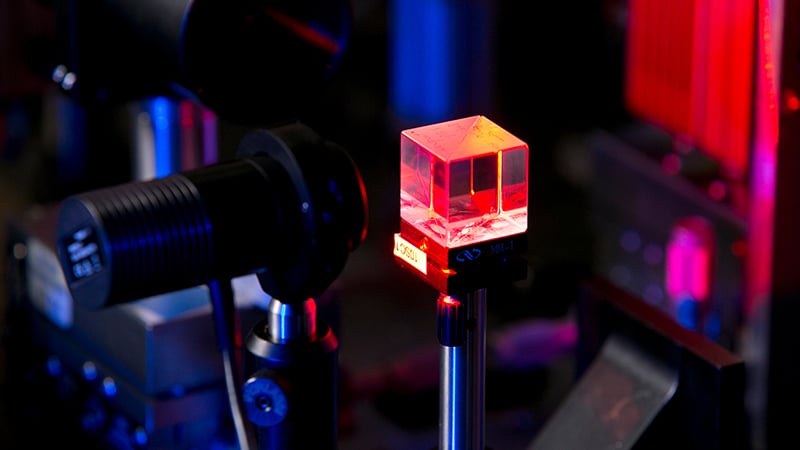
Quantum Software & Hardware
Students will learn from a software and hardware focus that prepares them to program and control quantum information devices and design, fabrication and testing of quantum devices.
Duke ECE is home to international leaders in information physics research, embodied in pathbreaking programs in metamaterials, quantum devices, and optical systems.
Master’s students will learn from a faculty team with deep interdisciplinary research strengths and a track record of entrepreneurship and innovation.
Course requirements
Semiconductor Technology
Duke ECE’s master’s track in semiconductor technology is led by international leaders in the areas of nanoelectronics, optoelectronics, microfluidic systems, integrated optics, sensors, integrated multifunctional devices/systems, energy conversion devices, and quantum sensors.
Semiconductor technology research at Duke is highly interdisciplinary, and includes the fabrication of devices and circuits through the state-of-the-art Shared Materials Instrumentation Facility (SMiF) cleanroom and characterization lab.
This track is designed to prepare master’s students either to engage in PhD research or to obtain engineering jobs in the semiconductor industry.
Duke also offers an interdisciplinary Master of Engineering in Photonics and Optical Sciences featuring coursework in both ECE and the Duke Department of Biomedical Engineering.
Course requirementsWhy Choose Duke for Graduate Programs in Electrical Engineering & Computer Engineering?
When you choose Duke, you are joining a collaborative, future-focused engineering community. Our university has a reputation for innovation, mentorship and impact.
Earn a master’s in software engineering, machine learning/artificial intelligence, hardware or quantum software. You can choose an M.S. or MEng in ECE, and your skill set and transcripts will reflect the unique focus area of your program.
Regardless of which track you participate in, you will enjoy numerous hands-on engineering and learning opportunities. You will graduate with hundreds of hours of real-world experience that you can bring to your chosen career field.
Hear from Our Students
Here are highlights from students associated with our master’s in software engineering, AI and quantum computing tracks.

When asked, “What stands out to you about your master’s experience at Duke?” Grant Eberle, an ECE Quantum Computing 2023 graduate, answered: “How customizable the degree was. I was able to come in and study software. The degree allowed me to split my time between quantum computing and software classes. The business classes in the MEng … have been one of the most valuable things I’ve brought to the workforce so far.”

Current master’s student Amelia Cook says: “The ECE department has multiple tracks to fulfill your degree, which allows you to specialize your studies and follow your interests … there are so many interesting classes that it’s hard to choose which ones I want to take! Duke also has a dedicated career center for Pratt students, which is a unique and powerful resource.”
These are just a few of the hundreds of successful graduates who have walked through the doors of the Duke Pratt School of Engineering.
How Study Tracks Support Your Career Path
Each track aligns with a different segment of the ECE job market. Your chosen track will offer structured preparation for roles in areas like AI engineering, semiconductor design, quantum computing, computer architecture and advanced software systems.
Duke also provides personalized career advising services to help you identify the right track and electives for your learning journey. Our staff assists with selecting research experiences as well. By the time you graduate, you will have a clear grasp of your expertise and know how to articulate those skills to prospective employers.

FAQ for ECE Study Tracks
Here are some Frequently Asked Questions (FAQ) to help you understand how study tracks work within Duke’s master’s degrees in Electrical & Computer Engineering.
-
Study tracks act as guided pathways that help you select courses aligned with your technical and career goals. They provide structure for your learning journey while offering enough flexibility to let you explore related subfields, such as AI and quantum computing. We also support you in selecting the right track based on your interests.
-
Absolutely! We aim to equip our students with future-proof skills that will be relevant for years to come. With that in mind, our program includes several different specialization tracks, including one in machine learning and AI. This is a strong option if you plan to work in AI engineering, data science, autonomy or intelligent systems development
-
You can build a customized path that includes courses related to hardware design, systems programming, embedded engineering and applied software development. Such a program will be similar to earning a master’s in software engineering, but with stronger ECE depth.
-
No. You will earn either an MEng or an M.S. in Electrical and Computer Engineering. Tracks simply help you build a defined academic and professional focus to support a more successful transition into your chosen career path.
Not sure which program track is the best fit for you? Contact our admissions team today.