
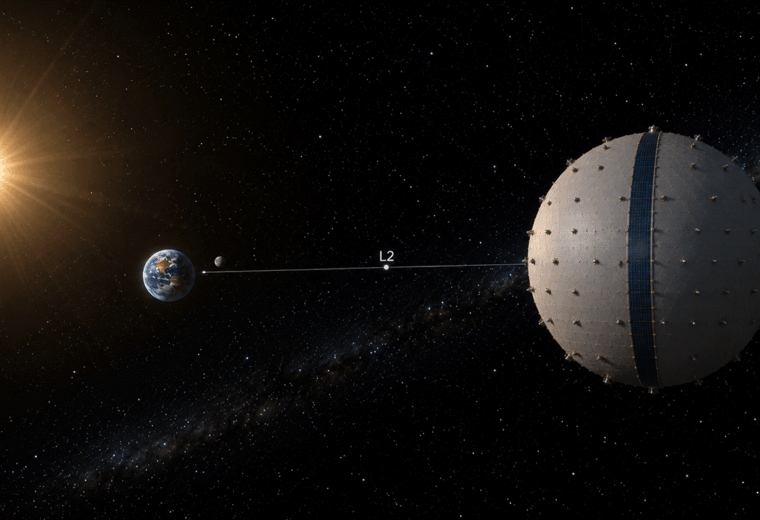
David Smith Selected for NASA NIAC Fellowship
Award will support the pursuit of robotically assembled metamaterials in space for radar systems enabling long-range situational awareness.
Award will support the pursuit of robotically assembled metamaterials in space for radar systems enabling long-range situational awareness.

Research from Emily Wenger showing that LLMs tend to congregate around the same creative ideas supports the hypothesis that AI is incapable of making creative leaps in science and research.

Research co-authored by Michael Reiter has received the 2026 Test of Time award from the USENIX Security Symposium.

Five honors from ACM and IEEE groups highlight Duke ECE leaders’ lasting influence on AI hardware research.
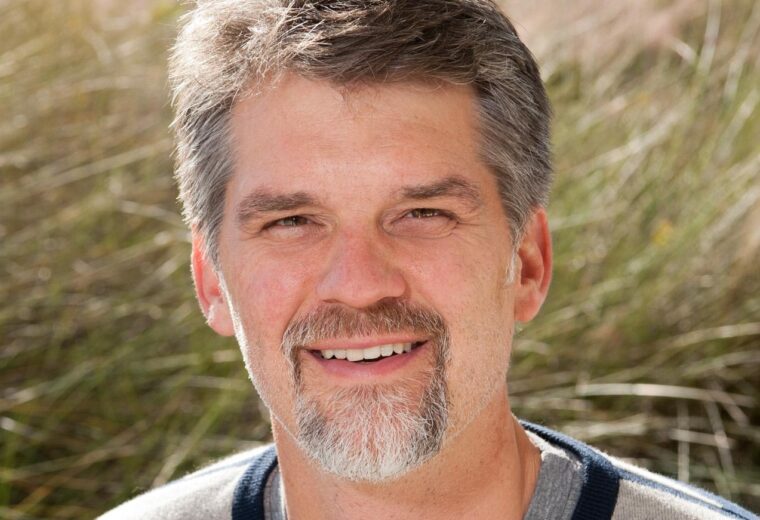
In his new role, Nowacek will support Duke's Climate Commitment research innovation goals.

Kip Coonley, a faculty member of mechanical engineering and materials science (MEMS) and electrical and computer engineering (ECE), received a fellowship to create electromechanical teaching aids.

Neil Gong and industry partners found that 1% of resumes submitted to an online recruitment company contained hidden instructions designed to manipulate AI hiring systems.

Backed by more than $7 million in seed funding, a Duke University spinout is hoping to launch a new generation of satellite cameras into space in the next few years.

Cynthia Rudin says black box AI does not have to be complex or opaque to work well and provides several examples.
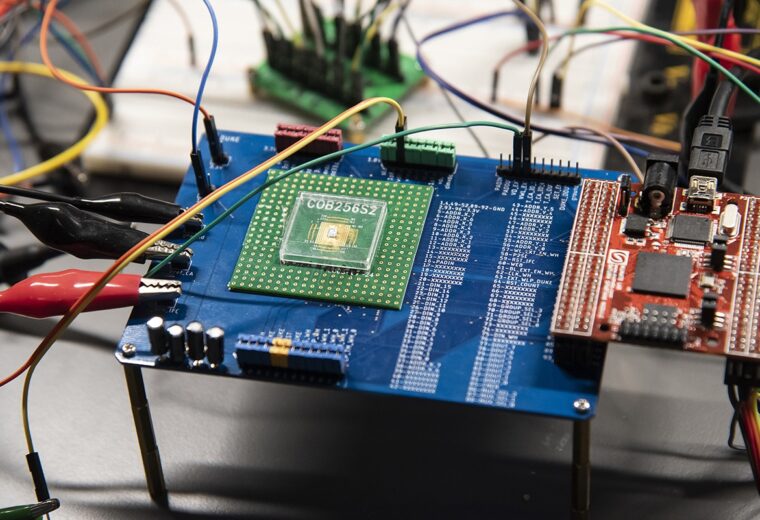
Duke engineers are leading a Phase 1 Genesis project funded by the Department of Energy to develop robotic AI processing hardware 10x faster and 100x more efficient than today’s top performers.

An academic-industry collaboration identifies 1% of resumes in a 200,000 sample across multiple sectors as containing concealed instructions meant to exploit AI systems.

Crystal Noel co-led the development of a simplified model to understand how the fabric of space and time could emerge from fundamental quantum degrees of freedom.