

Setting Boundaries Helps Machine Learning Find One-in-a-Trillion Solutions
New “neural-adjoint” machine learning method can help researchers find optimal solutions in extremely large design spaces such as dielectric metamaterials for c
New “neural-adjoint” machine learning method can help researchers find optimal solutions in extremely large design spaces such as dielectric metamaterials for c

Q&A with ECE professor and metamaterials pioneer, Steve Cummer

Duke’s newest undergraduate certificate program covers fundamentals at the intersection of physics, chemistry and engineering

Prestigious five-year award will help develop a fundamental understanding of quantum mechanical phenomena such as quantum chaos and quantum thermodynamics

A Q&A with Duke ECE professor and computer architecture expert Daniel Sorin

Project will use AI to make microscope more effective for 'visual proteomics'
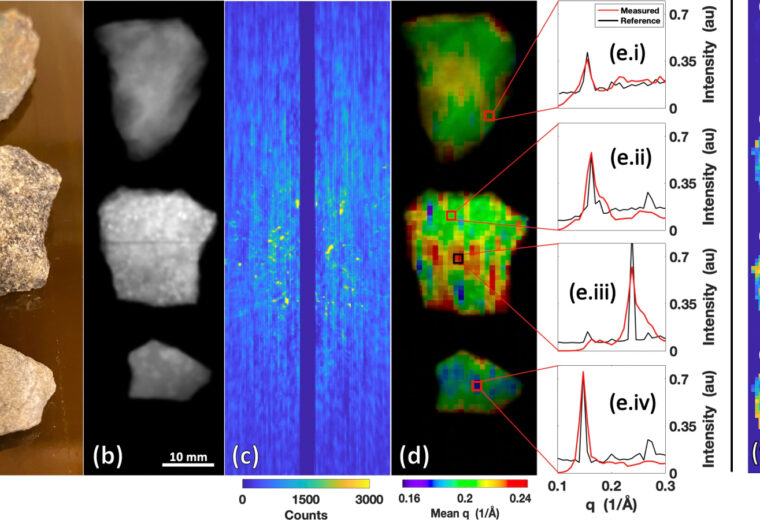
New technology could speed cancer diagnosis, ensure surgeons remove 100% of a tumor and inspect drugs for dangerous chemicals
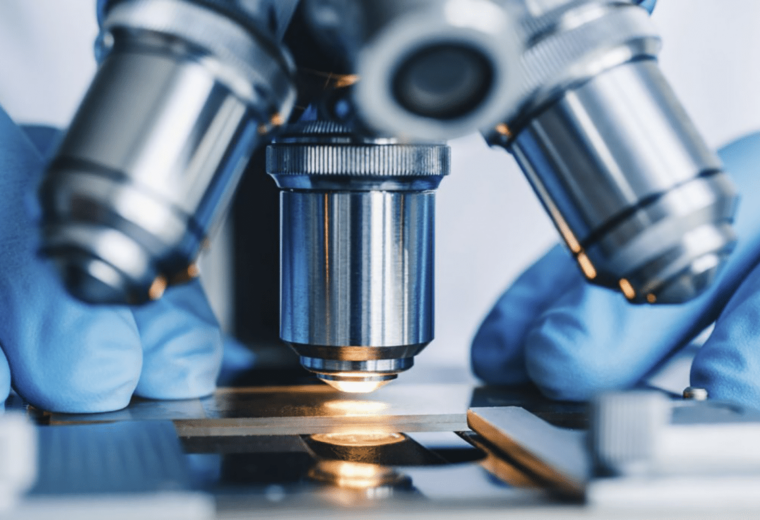
The Duke Endowment of Charlotte, N.C., is supporting Duke University’s efforts to expand its faculty in computation, materials science and the resilience of the body and brain by completing the second phase of a $100 million investment. This is the largest award Duke University has ever received.
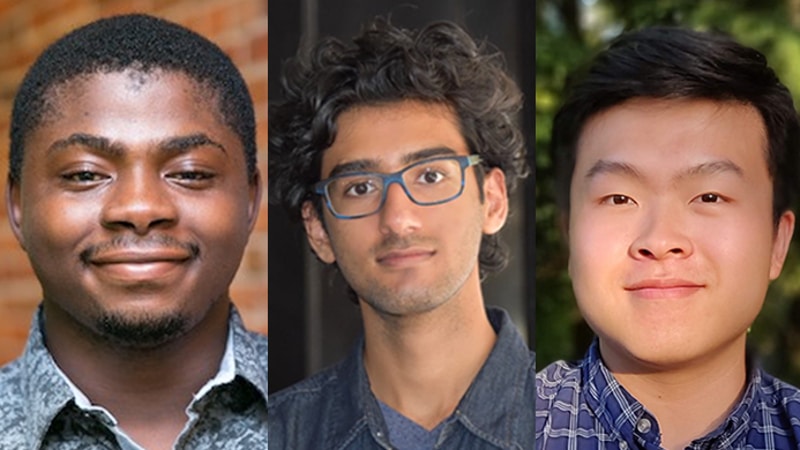
Peek AR helps deaf and hard-of-hearing students in the classroom through augmented reality and live captioning

AI vision of flushes enables long-term tracking and management of chronic GI ills

The House Committee on Science, Space and Technology held a hearing on the future of advanced computing that included testimony from Duke’s own quantum computing expert, Chris Monroe.

Professor of the Practice Lisa G. Huettel is recognized for reimagining the Duke ECE student experience