
David Smith Selected for NASA NIAC Fellowship
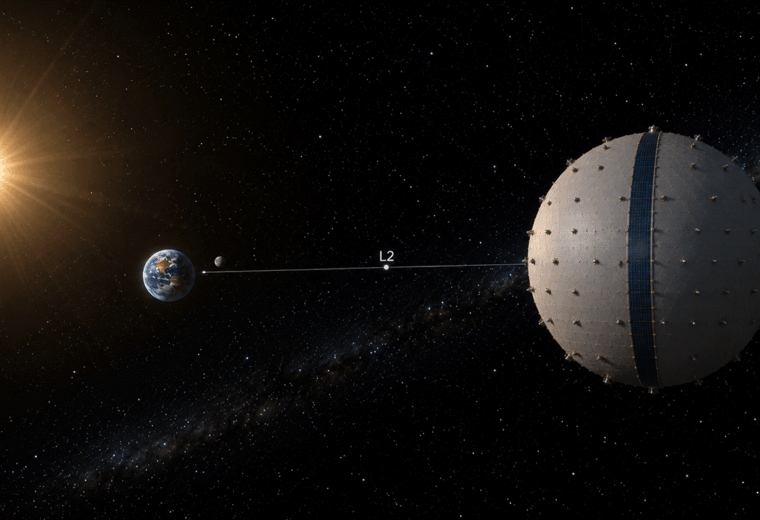
Award will support the pursuit of robotically assembled metamaterials in space for radar systems enabling long-range situational awareness.
Duke ECE is home to world leaders in metamaterials and metasurfaces. Our faculty members demonstrated the world’s first negative refractive index metamaterial in 2000, and in 2006 a Duke ECE engineer invented a metamaterial “invisibility cloak” that renders objects undetectable at microwave frequencies. Currently, a $7.5 million DoD investment funds our proving ground for acoustic metamaterials, while eight companies—and counting—have grown from our research.


Award will support the pursuit of robotically assembled metamaterials in space for radar systems enabling long-range situational awareness.

Backed by more than $7 million in seed funding, a Duke University spinout is hoping to launch a new generation of satellite cameras into space in the next few years.

Metasurfaces featuring tailored silver nanocubes could allow thermal photodetectors to approach speeds akin to traditional digital cameras.

Associate Chair, William H. Younger Distinguished Professor of Engineering

Michael J. Fitzpatrick Distinguished Professor of Electrical and Computer Engineering

James B. Duke Distinguished Professor of Electrical and Computer Engineering
Explore additional specialty research areas in Duke ECE and throughout the Pratt School of Engineering.
